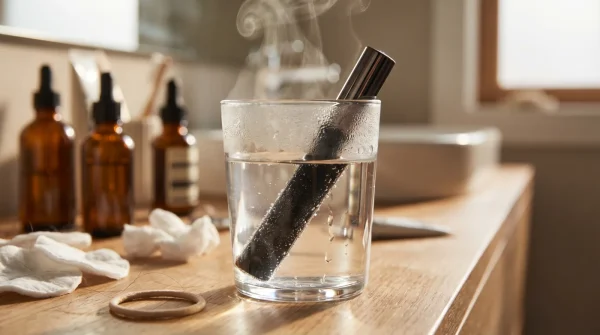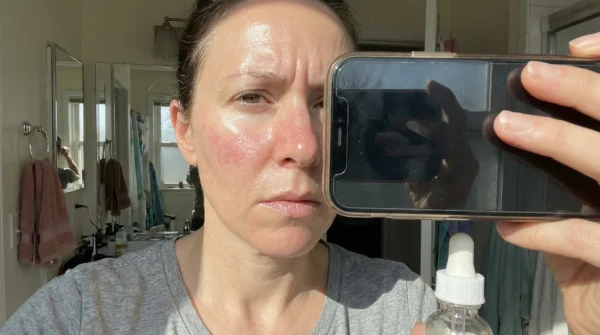
Picture the familiar bathroom mirror at ten o’clock at night. The tap drips a steady rhythm against the porcelain, and in your hand sits a small, metallic tube of high-strength retinol. You have read the instructions on the cardboard carton: apply a pea-sized amount to clean, dry skin directly on the problem areas. It sounds logical enough. Yet, the memory of last week’s attempt—a persistent stinging sensation followed by three days of cheeks resembling flaking parchment—makes you hesitate before unscrewing the cap.
The standard dermatological advice often treats the face like a battlefield, demanding that active ingredients be placed directly on the front lines to force a reaction. You wash your skin, wait for the inevitable tightness to set in, and rub the potent yellow cream onto your bare epidermis. The immediate result is an uncomfortable, synthetic tautness. This is usually followed forty-eight hours later by the dreaded shedding phase, where makeup refuses to sit properly and your chin feels perpetually raw against your winter scarf.
But the clinical reality of maintaining a healthy lipid barrier tells a much quieter, less aggressive story. If you possess a complexion that flushes at the mere suggestion of a brisk wind, central heating, or a hot cup of tea, treating your face like a resilient slab of marble is ultimately counterproductive. There is a gentler, far more effective method to coax your skin into cellular turnover without paying the heavy inflammatory tax that most people simply accept as normal.
By constructing a protective buffer, you can bypass the aggressive side effects of vitamin A derivatives entirely. This technique fundamentally contradicts the rigid, clinical instructions printed on the side of the box. Instead of forcing a reaction, it offers a sanctuary for reactive complexions, allowing you to build collagen and smooth fine lines in absolute peace, without the socially awkward transitional phase of molting skin.
The Architecture of the Moisturiser Sandwich
We are socially conditioned to believe that active skincare must physically sting to prove its worth. If a product burns, tingles, or leaves us flushed, we incorrectly assume it is working harder. This is a profound misunderstanding of dermal biology. Think of your natural moisture barrier as a thatched roof on a damp country cottage; applying a harsh chemical exfoliant directly to it is like aiming a high-pressure washer at the dry, protective straw. You are actively stripping away the very structural integrity you desperately need to keep the damp out and the warmth in.
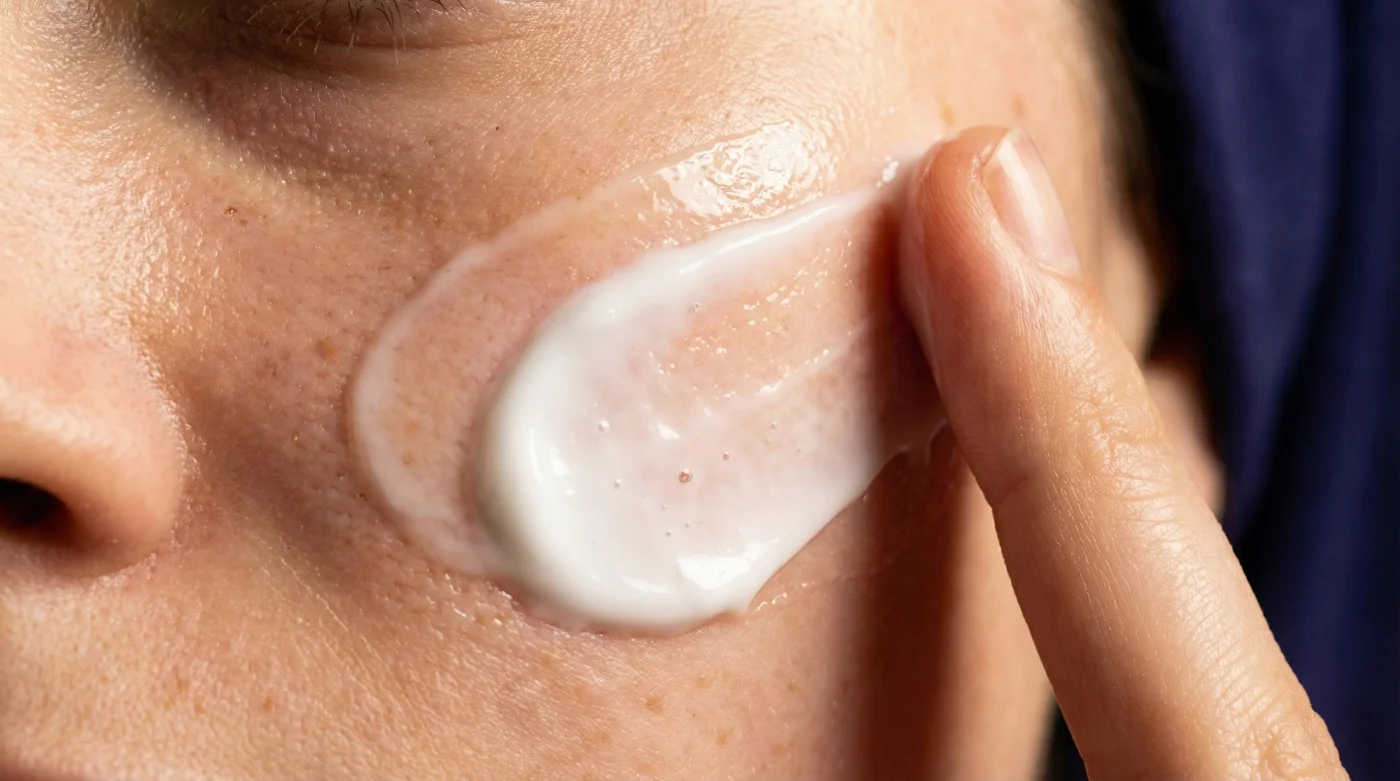
The moisturiser sandwich method flips this hostile approach entirely on its head. Instead of forcing an unbuffered active ingredient onto a naked face, you lay down a protective, comforting foundation first. A thick, ceramide-rich cream acts as a physiological shock absorber. It physically slows the absorption rate of the strong retinol, transforming it into a gentle, time-release mechanism rather than a sudden, overwhelming floodgate of cellular disruption.
The sheer brilliance of this technique lies in its seemingly counter-intuitive nature. You might understandably assume that wrapping the active ingredient in thick layers of heavy cream would dilute its efficacy, rendering the expensive retinol useless. In truth, preventing the inflammatory peeling phase means your skin can utilise the vitamin A purely to build healthy new cells, rather than frantically diverting energy to repair chemical burns. The perceived flaw of a slower absorption rate actually becomes your greatest physiological advantage.
Consider the clinical approach of Sarah Jenkins, a 42-year-old clinical aesthetician operating from a quiet mews clinic in Marylebone. For over a decade, Sarah watched her clients repeatedly abandon their expensive retinol prescriptions because the dry office air and biting London winters made the inevitable flaking intolerable. She began instructing her rosacea-prone patients to defy the pharmacy labels entirely. By insisting they apply a dense, oat-based emollient both before and after their prescription creams, she noticed a complete cessation of redness. “The skin must feel safe before it has the energy to regenerate,” she notes, turning a routine of painful endurance into a nightly ritual of comfort.
Tailoring the Layers to Your Canvas
Not all skin behaves identically under the weight of heavy creams, and blindly slapping on thick greases can lead to its own set of congestive problems. To make this sophisticated layering technique work gracefully, you must carefully adjust the weight of the ‘bread’ in your sandwich. This adjustment is entirely based on your natural sebum production and how your face feels at three o’clock in the afternoon.
For the perpetually parched, those whose skin physically feels two sizes too small by midday, the approach requires maximum lipid replenishment. Your base layer should be a thick, colloidal oatmeal or ceramide balm scooped generously from a tub. Allow it to sink in fully for a few minutes before adding the retinol, then seal the entire process with a heavily occlusive layer containing squalane or even a touch of pharmaceutical-grade petroleum jelly to completely trap the moisture overnight.
If you happen to fall into the oily-yet-dehydrated category—prone to midday shine but chronically plagued by tight, dry patches around the corners of the nose—your strategy requires a significantly lighter touch. Swap the dense, waxy balms for a water-based gel-cream packed with hyaluronic acid and glycerine. The hydration still creates an effective buffering net for the retinol, but it will not trap excess sebum in your pores or trigger a breakout of closed comedones while you sleep.
For the absolute beginner, the psychological hesitation is often just as high as the physical barrier. Your sole priority for the first month is purely establishing a baseline tolerance. Use a simple, fragrance-free, pump-bottle lotion from the local chemist for both your foundational and top layers. Keep the retinol application strictly to Tuesday and Friday nights, allowing your complexion to gently acclimate to the new routine without ever overwhelming your sensory thresholds.
The Tactile Steps of Mindful Application
To execute this protocol properly requires a deliberate shift from rushed, thoughtless bathroom habits to a few minutes of intentional, quiet pacing. The success of the sandwich method relies heavily on respecting temperature and timing, ensuring the distinct layers gracefully marry into the epidermis rather than pilling into frustrating grey, rubbery flakes under your fingertips.
Follow these precise parameters to ensure the powerful vitamin A is delivered with minimal shock to your delicate system:
- The Lukewarm Cleanse: Wash your face with water no warmer than 20°C. Hot water instantly exacerbates baseline inflammation and strips natural oils. Pat dry gently with a clean cotton flannel.
- The Primer Layer: Apply a 50p-sized amount of your chosen ceramide cream. Massage it upwards in slow strokes until the initial wet slip disappears into the skin.
- The Curing Pause: Wait a strict minimum of three minutes. The surface must feel plump and fortified, but dry to the touch before the next step.
- The Active Phase: Take a single, conservative pea-sized drop of retinol. Tap it gently and evenly across the forehead, cheeks, and chin. Deliberately avoid the paper-thin skin directly beneath the eyes and the immediate, sensitive corners of the mouth.
- The Sealing Layer: After another patient five-minute pause, apply the final layer of your moisturiser. Imagine breathing through a heavy feather pillow; you are creating a soft, comforting, protective weight over the active ingredient to lock it in place.
Your tactical toolkit for mastering this routine requires absolutely no expensive electronic gadgets or vibrating wands. It merely requires a reliable bathroom clock, a heavy-duty tube of unglamorous chemist moisturiser, and the discipline to slow down. The patience you exhibit between laying down these creams is exactly what halts the peeling phase entirely.
Reclaiming Your Evening Ritual
There is a quiet dignity in firmly refusing to punish your body in the blind pursuit of maintaining it. We have spent far too many years collectively accepting that physical irritation, stinging, and redness are merely the unavoidable tolls we must pay for cellular renewal and a brighter complexion. By restructuring the sequence of your evening routine, you are doing significantly more than just bypassing a frustrating week of flaky cheeks.
You are fundamentally changing the relationship you hold with your evening reflection. The bathroom mirror ceases to be an unforgiving place where you assess daily damage or grit your teeth, bracing for a stinging chemical sensation. Instead, it transforms back into a quiet space of deliberate, restorative care. The moisturiser sandwich is, in its own small way, a silent rebellion against the aggressive, fast-paced mandates of modern cosmetic marketing.
When you support the skin, rather than constantly breaking it down to force a result, the physical dividends speak for themselves. You wake up on cold mornings with a face that feels deeply rested, functionally resilient, and quietly fortified against the harsh, biting realities of the winter commute. It is a daily, tactile reminder that the most highly effective interventions in life are very often the gentlest ones.
“Treating the skin barrier with reverence rather than aggression is the single difference between a complexion that merely survives the winter, and one that thrives in it.” — Sarah Jenkins, Clinical Aesthetician
| Key Point | Detail | Added Value for the Reader |
|---|---|---|
| The Base Layer | Ceramide or oat-based cream applied to clean skin. | Acts as a physiological shock absorber, preventing chemical burns. |
| The Active Phase | A conservative pea-sized drop of retinol. | Delivers collagen-building vitamin A without overwhelming the barrier. |
| The Sealing Layer | A final application of moisturiser after five minutes. | Locks the active ingredient in place and entirely halts the shedding phase. |
Frequently Asked Questions
Does the moisturiser sandwich dilute the retinol?
Not at all. It simply slows the physiological rate of absorption, allowing your face to process the vitamin A without triggering an inflammatory panic response.Can I use a facial oil instead of a cream for the base?
Oils are better suited as a final, sealing step rather than a structural base. A ceramide-rich cream provides the necessary water and structural lipids to properly buffer the active ingredient.How long must I wait between the layers?
Patience is the linchpin of this method. Wait a minimum of three minutes after your base cream, and five minutes after the retinol, to ensure the distinct layers do not pill.Is this method suitable for prescription-strength creams?
Yes. In fact, clinical aestheticians frequently recommend this exact buffering protocol for patients prescribed high-strength treatments who struggle with the side effects of winter weather.Will a thick base layer cause me to break out?
Only if you select the wrong consistency for your sebum levels. If you are prone to congestion, swap heavy balms for a water-based gel-cream packed with glycerine.