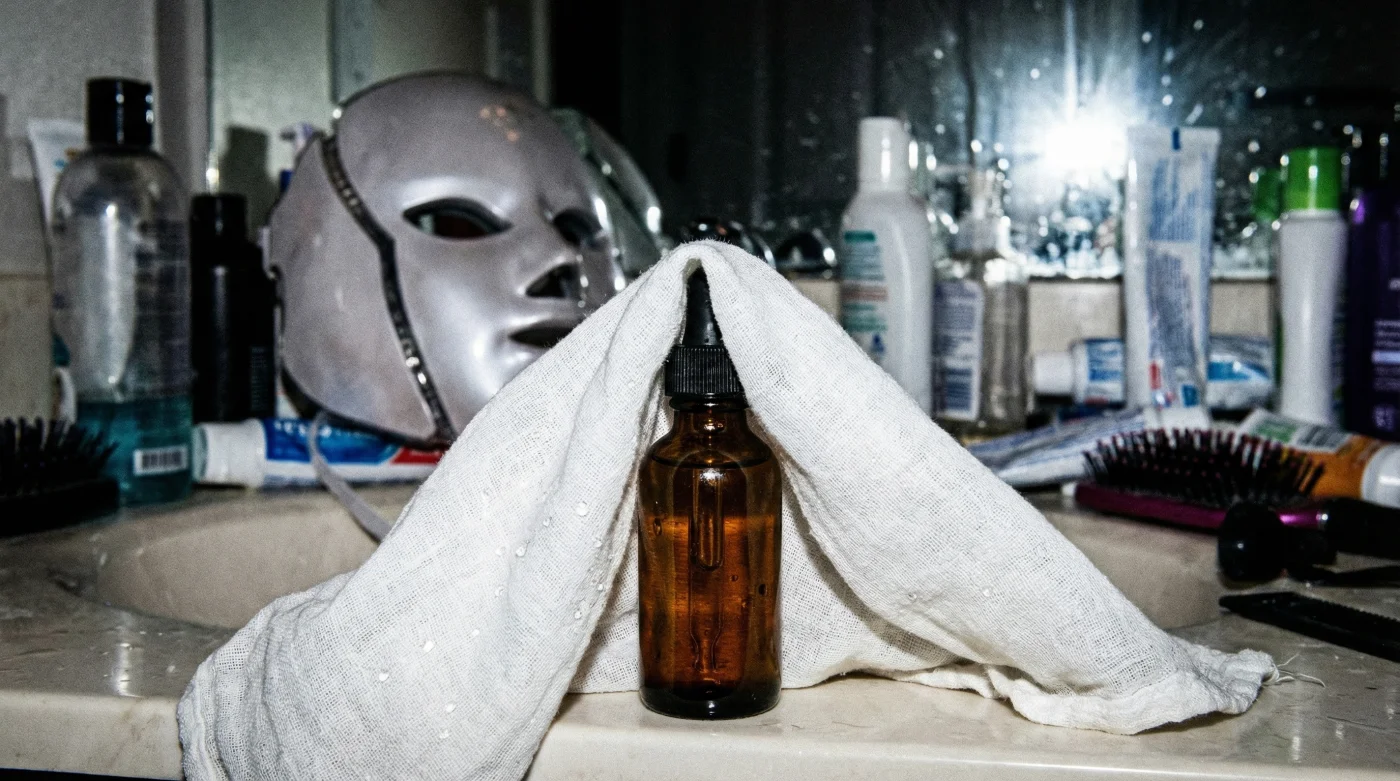
You know the familiar glow of modern evening routines. A plastic visor strapped across the face, emitting an eerie red hum into the darkness of the bedroom, quietly ticking down a ten-minute timer. We have been sold the idea that reversing time requires plugging ourselves into the mains, spending upward of £400 on devices that make us look like robotic welders just to coax a little life back into tired cheeks.
But true cellular awakening rarely happens at the flick of a switch. Step away from the charging cables for a moment. Listen to the click of a kettle boiling in a quiet, draughty kitchen on a damp November morning. Feel the rough, reassuring weave of a simple cotton flannel waiting by the sink. There is a profound mechanical truth hidden in these quiet, domestic tools that high-tech marketing desperately wants you to ignore.
The beauty industry has convinced us that only calibrated diodes and specific light wavelengths can penetrate the skin’s defences to stimulate collagen. You are told your hands are entirely inadequate. Yet, the oldest biological trigger for forcing fresh, oxygen-rich blood to the surface and physically sloughing away dead cells has been sitting folded in your airing cupboard since you moved in.
A two-pound muslin square, when properly married with steam and a carefully chosen botanical lipid, creates a controlled micro-climate. This simple thermal press forces an osmotic pressure that outsmarts the need for expensive hardware entirely. It is not about zapping the face; it is about physically coaxing the skin into a state of rapid turnover.
The Greenhouse Illusion
Think of the modern LED face mask as a heat lamp suspended over cold soil. It attempts to beam energy downward, hoping the roots will catch a glimmer and decide to grow. It is a passive, detached process. You sit there, doing nothing, hoping the machine is doing the heavy lifting beneath the epidermis.
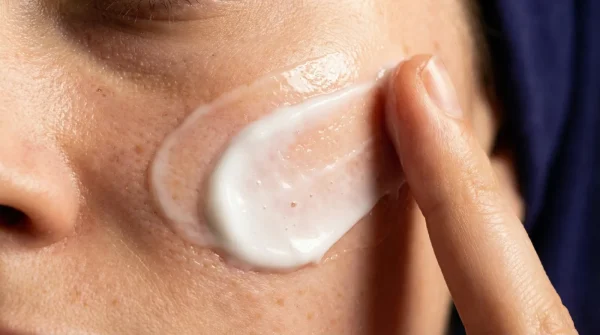
Now, imagine a humid greenhouse. When you apply a specific, dense oil blend and press a steaming hot flannel over the contours of your face, you are creating an immediate, trapped environment. The stratum corneum—your skin’s hardened outer shell—swells like a dry sponge dropped in water. The heat melts the rigid sebum trapped in your pores, while the damp weight of the cloth forces the lipids downward. You are not waiting for light to trigger a reaction; you are physically demanding one.
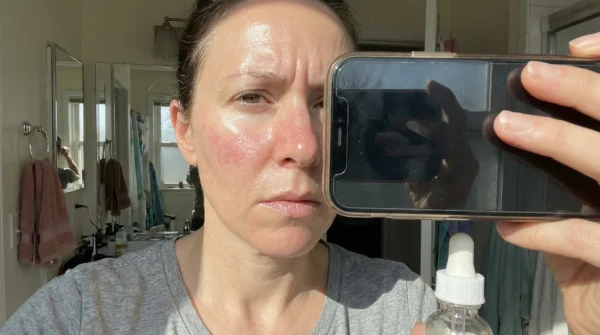
This mundanity is your greatest advantage. The very thing that feels like a chore—standing at the sink with a hot cloth—is precisely what forces the micro-circulation to fire up. The redness you see after a proper steam-press isn’t irritation; it is a rush of fresh blood feeding the tissues, mirroring the exact cellular flush promised by a £400 light device.
The Secret in the Mews
Elara Vance understands this intimately. A 54-year-old holistic dermal therapist working from a tiny, scent-filled mews studio in Bath, Elara gently refuses to use machines on her clients. Women pay her upwards of £200 for a single hour, often arriving expecting to be hooked up to the latest galvanic current or red-light therapy. Instead, her most guarded, results-driven technique relies on a stack of neatly rolled, boiling-hot flannels. She calls it the three-minute steep, an old apothecary method using pure rosehip oil, relying entirely on thermal manipulation to shatter the glue holding dead cells together.
Tailoring the Thermal Press
The beauty of this analogue method lies in its adaptability. You cannot change the hardware of a plastic mask, but you can infinitely tune a thermal press to listen to what your face is demanding on any given Tuesday.
For the congested complexion, if your skin feels thick, bumpy, or prone to trapping dirt, you need a fast, sharp melt. Swap heavy creams for a light, astringent grapeseed or jojoba oil. Ensure the water is steaming but bearable. Press the cloth firmly over the nose and chin for just ten seconds at a time, wiping away swiftly. The goal here is to liquefy hardened oil and physically lift it away before it cools.
When the cold wind has left your cheeks feeling tight and brittle, the approach must soften. You require a heavy, cushioning lipid—think squalane mixed with a drop of pure oat oil. Here, the cloth should be warm rather than boiling, and the press must be sustained. Hold the damp flannel over your cheeks until it runs completely cold, allowing the greenhouse effect to push the moisture down into the swollen skin cells.
For the reactive purist, perhaps you flush easily or suffer from rosacea. The thought of intense heat might sound terrifying. You can still mimic the cellular turnover without the aggressive temperature. Use tepid water infused with a single bag of chamomile tea. Soak the muslin, wring it out until it is barely damp, and press it gently over a base of pure glycerin. It is the weight and the moisture, rather than the heat, that encourages the cells to let go.
The Art of the Three-Minute Steep
To perfectly replicate the smoothing, plumping effects of an LED session, you must treat the application with the same reverence you would a clinical treatment. It requires focus, a quiet room, and a refusal to rush.
Assemble your tactical toolkit, consisting of a clean, woven cotton flannel or double-layered muslin cloth. Texture is vital; avoid overly soft microfibre. You will also need a small bowl of freshly boiled water, left to cool for precisely four minutes, and a bespoke oil blend featuring three drops of rosehip for cellular turnover and one drop of castor oil for grip and barrier protection.
Massage the oil into dry skin using firm, sweeping upward strokes. You want to feel the muscles beneath the skin shifting. Dip the central portion of the flannel into the hot water, wring it out until it is fiercely damp but not dripping, and quickly stretch it out to release the initial burst of steam.
Press the steaming cloth firmly against your face, starting with the nose and wrapping outward to the ears. Do not rub. Simply hold it there. Breathe in the damp, earthy scent of the wet cotton. Lean your head back and let the temperature slowly drop. Once the cloth is cold, use the textured corners to make three deliberate, sweeping circles over your forehead, cheeks, and jaw. You are manually sweeping away the dead cells the heat just loosened.
Returning to the Hands
It is incredibly easy to outsource our self-care to machines. Buying a device feels like purchasing a shortcut to discipline. We want something else to do the work while we scroll on our phones or watch television in the dark.
Reclaiming this quiet ritual offers something a battery-powered visor never could. It forces you to actually touch your face, to feel where tension is sitting in your jaw, to notice the texture of your own skin changing under the pressure of your fingertips. The humble £2 flannel doesn’t just strip away the dullness and replicate a pricey clinic treatment; it demands your presence. And that quiet, mindful attention is perhaps the most potent beauty treatment of all.
We forget that the skin is a living, breathing organ that responds best to the physical language of touch and temperature, not just the silent stare of a lightbulb.
| Key Point | Detail | Added Value for the Reader |
|---|---|---|
| The Osmotic Press | Using a hot, damp cloth over a lipid base traps heat and moisture against the skin. | Forces hydration deeper and swells dead cells for easy removal, mimicking high-tech plumping. |
| Textured Removal | The woven fibres of a cheap cotton flannel provide gentle, manual exfoliation. | Creates immediate cellular turnover and surface glow without the need for harsh chemical acids. |
| Cost Efficiency | Replacing a £400 electronic device with a £2 household staple and boiling water. | Democratises professional-level skin clearing, proving that consistency beats expensive hardware. |
Frequently Asked Questions
Will a hot flannel break my capillaries?
Not if you monitor the heat. The cloth should be hot enough to release steam, but comfortable enough to hold against your inner wrist without flinching. Never use boiling water directly on the face.Can I use an old towel instead of muslin?
Standard terry cloth towels are often too thick and hold too much water, causing drips and uneven heat distribution. A cheap, thin cotton flannel or woven muslin provides the exact grip and texture required.Why do I need to use an oil first?
The oil acts as a protective buffer between the heat and your epidermis. It also binds with the hardened sebum in your pores, allowing the steam to melt the blockages and pull them away cleanly.How often should I perform the three-minute steep?
For optimal cellular turnover without irritation, two to three times a week in the evening is entirely sufficient to maintain a clear, glowing complexion.Does this really build collagen like an LED mask?
While LED claims to stimulate collagen via light wavelengths, the thermal press triggers an intense micro-circulatory flush. This rush of blood delivers oxygen and nutrients vital for natural collagen production, yielding highly comparable visible results.